Eco Friendly House Moving Tips for a Greener Relocation

Quick Summary
Eco friendly house moving means making fewer decisions that create waste, starting with decluttering and planning the move at least six to eight weeks ahead. Reuse household textiles instead of plastic padding, choose reusable boxes where possible, and sort leftover waste by material for proper recycling.
Start planning six to eight weeks before the move to declutter, source reusable supplies and book a removal firm.
Declutter room by room, sorting items into keep, donate, sell or recycle piles, and be strict with the keep pile.
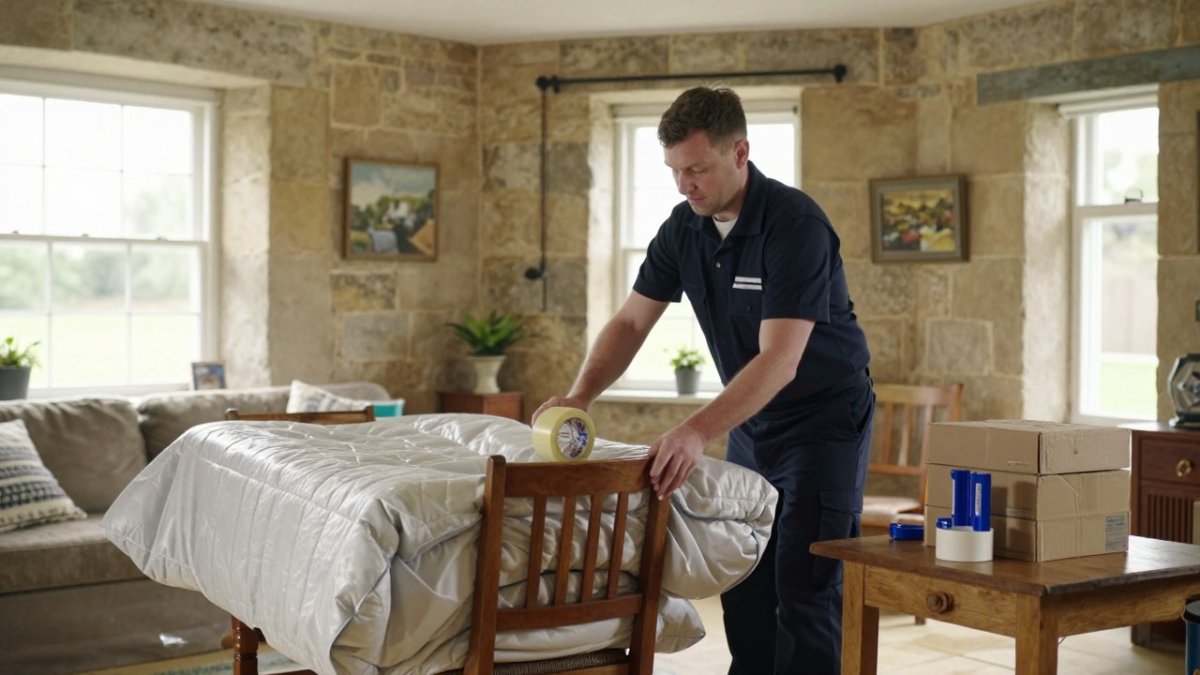
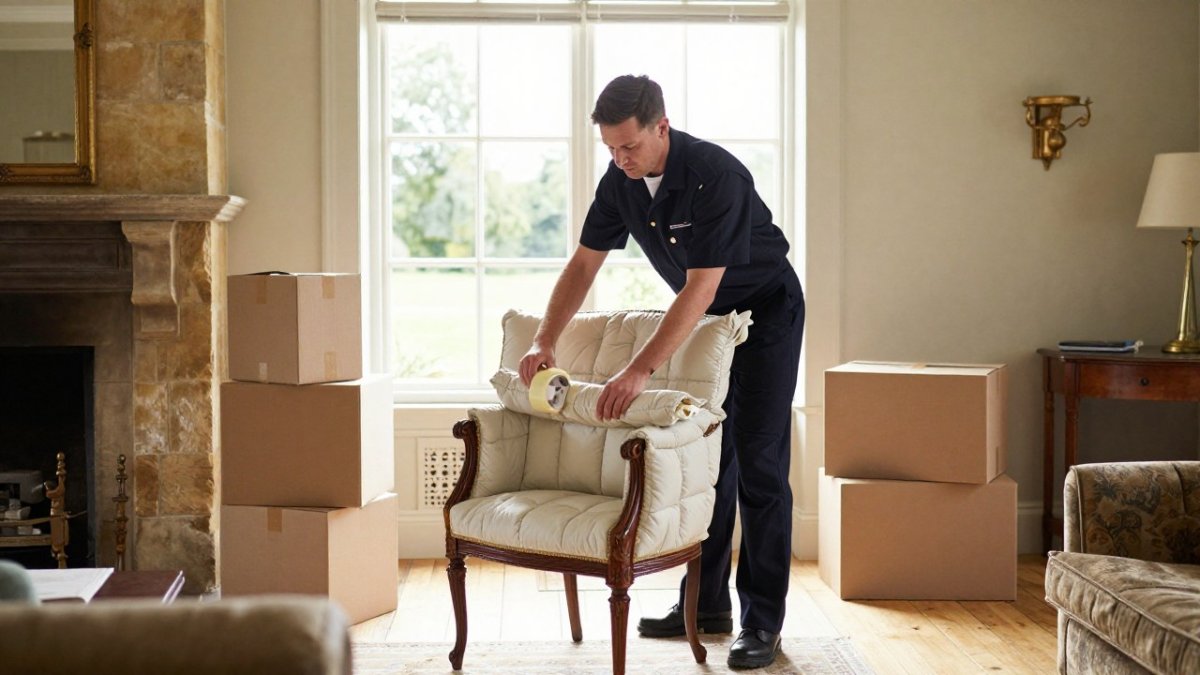
Wrap fragile items in old towels, bedding and tea towels instead of using bubble wrap or polystyrene.
Compare rented crates, bought reusable boxes and second-hand cardboard, and reuse each box several times.
Check your council's rules before the move, as acceptable recycling and hazardous waste vary by area.
Table of Contents
Why a Greener Move Starts Before You Pack
Moving house is one of the most resource-heavy things most households do in a year, and much of the waste is avoidable. Eco friendly house moving is less about buying "green" products and more about making fewer decisions that create waste in the first place. The greenest box is the one you never buy, and the greenest item to move is the one you decided to leave behind.
Planning matters more than most people expect. A move that starts with a clear timeline, a short inventory and a decision about what to keep usually produces less packaging, fewer journeys and less rubbish on move day. A move that starts with a stack of empty boxes bought in a rush usually does not.
We recommend treating the first six to eight weeks as a planning window. In that time you can declutter, source reusable supplies and book a removal firm whose schedule suits you, rather than paying for last-minute rushed decisions.
How to Declutter Before Moving House
Decluttering is the single most effective way to reduce the environmental cost of a move. Fewer items mean fewer boxes, less packing material, a smaller vehicle and fewer journeys. It also means less to dispose of at the other end.
Work through the house one room at a time, and sort every item into one of four piles: keep, donate, sell, or recycle. Be strict with the keep pile. Ask whether you have used an item in the last year and whether you would buy it again if you were moving into a new home.
Some practical tips help:
Start with the loft, garage and shed, where most unused items accumulate.
Use charity shops, local community groups and online marketplaces for items that still have value.
Check whether any furniture can be sold to a second-hand dealer rather than taken to the tip.
Donate usable clothing and books rather than paying to remove them.
A common mistake is leaving decluttering until the final week. By then, sorting is rushed and unwanted items get packed by default. Decluttering in the early weeks also gives you time to find good homes for things rather than dumping them.
Choosing Eco-Friendly Packing Materials
Packing materials are where many households create the most waste. Single-use plastic bubble wrap, plastic tape and polystyrene chips add up quickly, and most of them end up in general waste.

Instead, use materials you already have. Old towels, bedding and clothing make excellent padding for fragile items. Wrap glasses and crockery in tea towels and jumpers rather than plastic. Pack books and heavy items in small boxes so they stay manageable and do not need extra cushioning.
Paper-based alternatives also work well. Scrunched paper can fill gaps in boxes, and plain paper wrapping suits most kitchenware. Where you do need tape, choose paper tape over plastic, which is easier to recycle.
The trade-off is worth understanding. Reusing household textiles means washing them afterwards, which uses water and energy. For most moves, this is still a far smaller footprint than buying new single-use plastic, but it is worth factoring in.
Reusable Moving Boxes: Buying, Renting and Reusing
Cardboard boxes are the biggest single item of packing waste for most households, so the choice you make here has more impact than almost any other packing decision. There are three realistic routes, buy reusable boxes, rent crates, or collect second-hand cardboard, and each suits a different type of move.
Rented reusable crates. Hire companies deliver a set of sturdy plastic crates, usually in standard sizes, and collect them after the move. The crates are then cleaned and reused by the next customer. This is often the cleanest option because the crates are designed for repeated use and the supplier handles return logistics.
Bought reusable boxes. Sturdy plastic or heavy-duty cardboard boxes bought outright can be used for several moves and then passed on or sold. They suit households that move repeatedly, store items in a loft or garage, or want boxes that stack and seal reliably. The upfront cost is higher than second-hand cardboard, but the cost per use falls each time the box is reused.
Second-hand cardboard. Collecting boxes from supermarkets, local shops or community sharing groups is free and effective, and it keeps board in use for another cycle. Check that boxes are structurally sound, dry and free of pests, and avoid any that have held food or chemicals. Remove old tape and flatten and store them somewhere dry before packing day.
A simple decision rule helps. If you are moving once and have time to collect boxes, second-hand cardboard is the lowest-cost route. If you are moving once and want speed and protection, rented crates usually win on convenience. If you move regularly or need long-term storage, bought reusable boxes pay back over time.
Watch out: rented crates are usually charged per week, so a delayed completion date can add cost, confirm the extension rate before you book.
Whichever route you choose, the environmental benefit comes from repeated use. A box used three or four times has a much lower footprint than one used once, so plan to pass on or store whatever you buy rather than sending it to recycling after a single move.
Moving House With Less Waste on Move Day
Move day creates a surge of waste if it is not planned. Pack the essentials box last so it is accessible on arrival, and keep it clearly separate from the rest. Include things you will need in the first 24 hours: toiletries, bedding, a kettle, chargers and any medication.
Reduce food waste by using up perishables in the final week, and donate unopened food to a local food bank where possible. Plan the van loading to avoid unnecessary repeat trips. Fewer journeys mean lower fuel use and lower emissions.
If you use a removal firm, ask how they handle packing materials and waste. Some companies reuse blankets and boxes across jobs, and some take away leftover materials for recycling.
Disposing of What You Cannot Keep, Material by Material
Not everything can be donated or sold, so responsible disposal matters, and this is where most green-moving guides stop short. Sorting by material makes it far easier to recycle properly, but the rules differ by council, so the practical step is to check your council's website before the move and confirm what it accepts at the kerbside and what must go to a household waste recycling centre.
Cardboard: Flatten boxes, remove plastic tape and place them in household recycling or a local paper bank. Most councils accept flattened board at the kerbside, but check size limits, oversized boxes may need trimming or a trip to the recycling centre.
Plastic film and bubble wrap: Many councils accept only certain plastics at the kerbside. Carrier bags, bubble wrap and stretch film are often collected at supermarket soft-plastic drop-off points rather than at home, so check both your council's list and your nearest store's facility.
Glass: Rinse bottles and jars and place them in bottle banks or your kerbside glass collection where provided. Broken glass should be wrapped and placed in general waste, as it is not recyclable in most areas.
Electricals and batteries: Take old appliances to a household waste recycling centre or use the retailer take-back scheme when buying a replacement (Regulations: Waste Electrical and Electronic Equipment (WEEE)). Batteries, including lithium cells from toys and tools, should never go in general waste or kerbside recycling; use supermarket or recycling centre battery points, as they are a fire risk in collection vehicles (How batteries contribute to fires in recycling and waste management facilities).
Furniture and textiles: Offer usable items to charities, and use textile recycling banks for worn-out clothing and fabric. Some councils offer bulky waste collections for a fee, so compare that against a charity collection, which is often free.
Paint and chemicals: Never pour these down drains. Take them to a household waste recycling centre that accepts hazardous waste, and check whether your council requires a booking. Leftover paint in usable condition is sometimes accepted by community repaint schemes.
Garden waste and DIY debris: Check whether your council charges for garden waste collection and whether DIY rubble is accepted at the recycling centre, as many sites limit construction waste.
A common pattern is that households sort everything into one pile and then discover on move day that half of it cannot go out with the kerbside collection. Booking a recycling centre trip in advance, and checking opening hours and any permit requirements, avoids that last-minute scramble.
Watch out: rules on what counts as hazardous waste vary between councils, so confirm before you load the van rather than assuming the recycling centre will take everything.
Sorting waste by material makes recycling far easier, so here is how each common item is usually handled.
Material | Usual route | Key note |
Cardboard | Flatten, remove tape, recycle | Check council size limits |
Plastic film and bubble wrap | Supermarket soft-plastic drop-off | Often not accepted at kerbside |
Glass | Bottle bank or kerbside glass | Wrap broken glass for general waste |
Electricals and batteries | Recycling centre or retailer take-back | Batteries are a fire risk in bins |
Furniture and textiles | Charity or textile bank | Charity collection often free |
Paint and chemicals | Household waste recycling centre | Never pour down drains |
Booking Your Greener Move With Premier Cotswolds Movers & Clearers
Choosing the right help is the final piece of a greener move. At Premier Cotswolds Movers & Clearers, we offer bespoke removals, packing assistance and clearing services for homes and businesses across the Cotswolds, so you can focus on the parts of the move that matter most to you.
Our packing support helps you use fewer materials and avoid over-packing, while our bespoke service means we plan the journey around your timings rather than wasting trips. If you are weighing up whether to book a full removals service or a smaller van, the right choice depends on the volume of belongings and the distance involved.
Get a quote from Premier Cotswolds Movers & Clearers to discuss how we can help you plan a more efficient, lower-waste move from start to finish.
Last Updated: 15 November 2026
Frequently Asked Questions
How can I make moving house more eco-friendly?
Start by decluttering so you move fewer items, then reuse or borrow boxes rather than buying new ones. Swap bubble wrap for old towels, blankets and clothing, and plan one efficient journey rather than several small trips. Take unwanted goods to charity shops, sell them locally or use the council's recycling centre for what cannot be reused. Each of these steps cuts both waste and transport emissions.
Are reusable moving boxes better than cardboard boxes?
Reusable plastic crates and rented boxes can be used many times, so their environmental cost is spread across numerous moves. Single-use cardboard is still a good choice if it is second-hand and recycled afterwards, since it is widely collected. The greenest option is whichever you will actually reuse, so check local removal suppliers and community groups that loan boxes before buying new ones.
What should I do with unwanted items before moving?
Sort everything into keep, sell, donate and dispose piles before you pack. Charity shops and local online marketplaces will often collect larger furniture. Electrical items can go to an authorised recycling point, and textiles can be donated to clothing banks. Leaving items to the last minute usually means they end up in landfill, so set a clear decluttering deadline a few weeks before the move.
How do I plan a house move with less waste?
Create a timeline that begins several weeks before moving day, and use it to check off decluttering, sourcing packing materials and booking transport. Keep a running list of what you have used, so you can pass boxes and wrapping on to neighbours or the next occupant. Clearing out food cupboards early reduces leftover food waste, and taking anything that can be reused to the new home avoids unnecessary purchases.

Comments