How Professional Packing and Moving Services Reduce the Stress of Relocation

Moving home can feel exciting for about five minutes. Then the lists begin: boxes, labels, fragile items, utilities, cleaning, keys, timings, pets, children, parking, lifts, van access and the drawer full of things nobody knows how to pack.
Relocation asks people to make hundreds of small decisions while life carries on as normal. That is why it often feels so draining. A professional packing and moving team cannot remove every emotion from a move, but it can remove a large part of the practical pressure. With the right support, moving day becomes less about panic and more about progress.
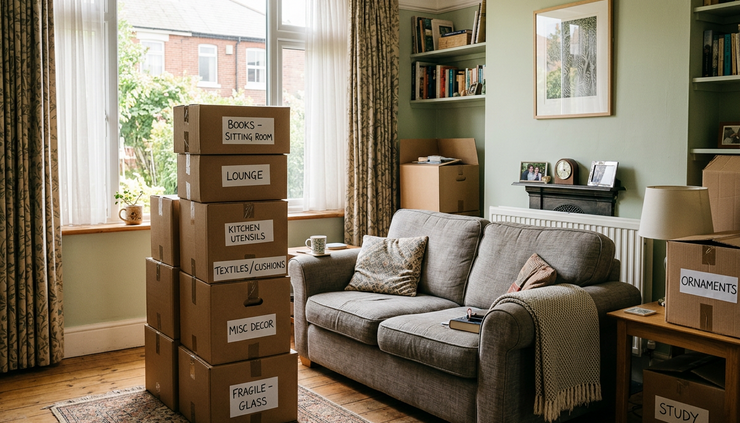
Moving feels stressful because there are too many moving parts
Most people do not move often enough to have a reliable system. They guess how many boxes they need, underestimate how long packing takes, and leave awkward items until last. By the final evening, the kettle, phone chargers and important paperwork are often buried somewhere between winter coats and kitchen pans.
The stress is not only physical. It is mental. A move can involve:
Sorting years of belongings
Protecting fragile or valuable items
Taking furniture apart
Timing removals with completion dates or tenancy agreements
Managing children, pets or work commitments
Unpacking enough to function on the first night
Each task seems small in isolation. Together, they create decision fatigue. Professional movers reduce that load by bringing a clear method, the right materials and enough people to get the job done properly.
Professional packing turns chaos into a system
Packing looks simple until a cupboard is open and everything inside is a different shape. A trained packing team knows how to work through a home room by room, keeping similar items together and protecting belongings along the way.
They use the right materials for the job, such as sturdy boxes, packing paper, bubble wrap, garment cartons, mattress covers and tape that can cope with weight. Fragile items are wrapped properly, not squeezed into half-full boxes with towels as an afterthought.
Good packing also makes unpacking easier. Clear labelling helps boxes land in the right rooms. Essential items can be separated. Delicate belongings can be marked clearly. This saves time at the new property, when energy is low and everyone wants the beds made before bedtime.
The real benefit is control. Instead of racing through cupboards at midnight, the move follows a plan.

Experienced movers know how to handle the difficult jobs
Every home has items that are neither easy nor obvious to move. A large mirror, a heavy wardrobe, a piano, a glass table, garden pots, bicycles, awkward lamps or flat-pack furniture that may not survive a rough lift down the stairs.
Professional movers deal with these problems often. They know how to lift safely, protect door frames, use blankets and straps, and load a vehicle so items are secure in transit. They can also judge when furniture needs to be dismantled and how to keep fittings together.
That experience matters because damage often happens through rushed decisions. A sofa is forced through a tight hallway. A chest of drawers is lifted while still full. A box is packed too heavily and fails at the bottom.
A professional team brings both skill and calm. They do not need to invent a solution on the spot because they have handled similar situations before.
It saves time at the point when time matters most
Packing a whole home always takes longer than it looks. Even a small flat can hold far more than expected once cupboards, loft spaces, sheds and under-bed storage are included.
Hiring a company to pack and move can save days of effort. That time can be used for the parts of relocation only the homeowner or tenant can handle, such as:
Redirecting post
Updating addresses
Sorting documents
Taking meter readings
Cleaning
Preparing children or pets for the change
Saying proper goodbyes to neighbours or the old home
There is also value in avoiding the slow build-up of exhaustion. Many people try to pack after work for several weeks. By moving day, they are already tired. When professionals take on the physical packing and lifting, the household can reserve energy for settling in.

A full service move gives breathing space on the day
Moving day often has a strict window. Keys are released at a certain time. Parking may be limited. Lift access may need booking. The old property may need to be empty before the new one is ready.
A professional company helps coordinate these details. Crews can arrive with a plan, load in a sensible order and work to a schedule. Some companies also offer partial packing, full packing, furniture dismantling, storage, specialist item handling and unpacking support.
That flexibility helps because not every move needs the same level of service. A household might pack personal items themselves but ask professionals to handle the kitchen and fragile items. Someone downsizing might need storage. A family moving long distance may want the full packing service to reduce pressure before the journey.
The best service is the one that removes the hardest part of the move, not necessarily the most expensive option.
Less stress also means fewer last-minute mistakes
Stress makes people forget things. They leave screws loose, misplace passports, forget which box holds medication or pack the kettle at the bottom of a van. A calmer move reduces those risks.
Professional movers encourage better preparation because the process has a structure. Boxes are labelled. Items are grouped. Heavy goods are handled correctly. Fragile belongings receive proper protection. The home empties in stages rather than in a rush.
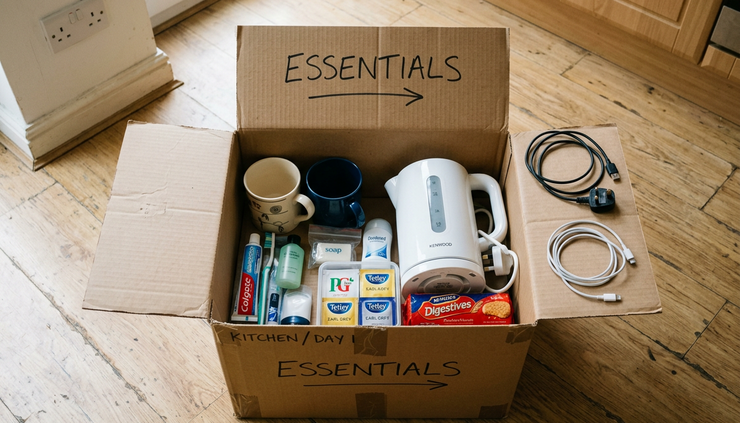
A simple essentials box still helps. Keep it with you rather than on the van. It might include:
Tea, coffee and snacks
Phone chargers
Medication
Toiletries
Basic cleaning supplies
Pyjamas and a change of clothes
Important documents
Pet food or children’s comfort items
This box makes the first night easier, even if the rest of the home is still full of sealed cartons.
The right support changes the whole experience
Relocation will always involve change, and change can feel unsettling. Yet the stressful part is often not the move itself. It is the lack of time, the uncertainty and the fear that something will go wrong.
Professional packers and movers bring order to that uncertainty. They protect belongings, reduce physical strain, manage time more effectively and help the day run with fewer surprises. Most of all, they give people space to focus on the next chapter rather than every box, stairwell and roll of tape.
A smoother move starts with one practical decision: get the right help early, agree what support is needed, and let experienced hands carry the heaviest part of the process.

Comments