How to Prepare for a House Move Step by Step

Quick Summary
To prepare for movers, start decluttering six to eight weeks before moving day, then build a timeline checklist, pack room by room and label every box. Keep an essentials box with you for the first 24 hours.
Start decluttering six to eight weeks before moving day, beginning with the loft, garage and spare room.
Split your checklist into three stages: eight weeks out, one month out and the final week.
Pack the rooms you use least first and leave the kitchen and bathroom until the final week.
Write the room name and a box number on at least two sides of every box.
Keep an essentials box with you in the car, not on the van, holding kettle, documents and medication.
Ready to plan your move?
Premier Cotswolds Movers & Clearers offers bespoke removals and packing support for homes across the region.
Table of Contents
Start Decluttering Six to Eight Weeks Before Moving Day
Most people underestimate how long moving house takes. The average time to settle into a new home is over two months, or 74 days, according to Angi's moving trends and satisfaction survey, 2026.
Begin with one room at a time. Work through the loft, garage and spare room first, because these areas hold the most items you no longer need.
Sort everything into keep, sell, donate and bin piles
Set a deadline for each room so progress stays visible
Remove anything you have not used in the past year
Fewer belongings mean fewer boxes, a smaller removal bill and less to unpack at the other end.
Build a Moving House Checklist You Can Actually Follow
A moving house checklist turns a stressful job into a series of small, clear tasks. Write it as a timeline, not one long list, so you always know what matters this week.
Split your checklist into three stages: eight weeks before, one month before and the final week. Tick items off as you go.
Eight weeks out: declutter, get quotes and book your removal firm
One month out: start packing non-essentials and tell utility providers
Final week: pack the essentials box, confirm parking and arrange meter readings
Keep the checklist somewhere you will see it every day, such as on the fridge or in a shared document.
How to Pack for Moving House Without Losing Track of Anything
Packing is where most of the work happens, and it is the area where a little method saves the most time. Work room by room and finish one room before starting the next, so you are never guessing which box belongs where. Pack the rooms you use least first, the loft, garage, spare room and dining room, and leave the kitchen, bathroom and bedroom until the final week.
Choosing Boxes and Materials
Use double-walled cardboard boxes for anything heavy or fragile, and keep box sizes consistent so they stack safely in the van. A common pattern is to use small boxes for books, tins and tools, and large boxes for duvets, cushions and pillows.
Small double-walled boxes: books, CDs, tools, tins, heavy kitchen equipment
Medium boxes: most kitchenware, ornaments, small appliances
Large boxes: bedding, towels, cushions, lightweight clothing
Wardrobe boxes: hanging clothes, coats and suits
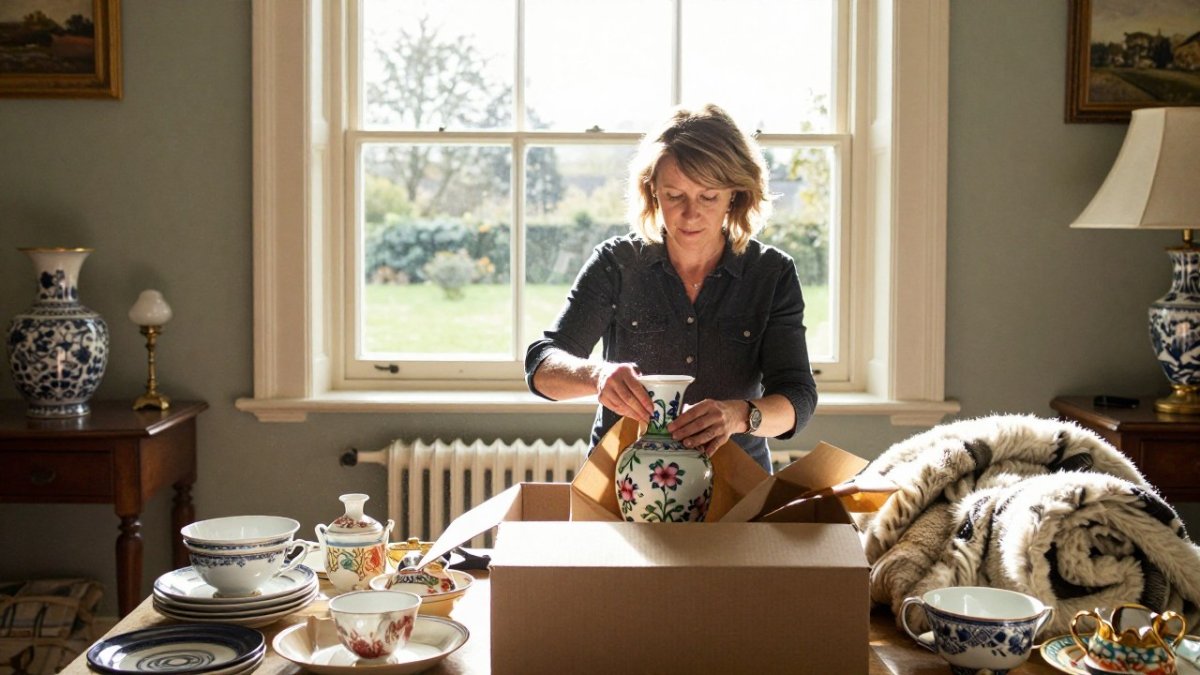
For fragile items, wrap china and glass carefully and cushion larger pieces. Pack plates on edge, not flat, and put a layer of scrunched paper between each one. Glasses should be wrapped individually and placed upright.
A Room-by-Room Packing Order
A practical order for packing is:
Loft, garage and shed, often the most cluttered and least used
Spare room and dining room, furniture and occasional items
Living room, books, media, ornaments and electronics
Bedrooms, clothes, bedding and personal items, leaving out what you need for the final week
Kitchen, last, because you still need to eat; pack non-essentials first and leave one box for everyday crockery and utensils
Bathroom, toiletries, towels and cleaning products on the final day
Labelling and Inventory Lists
A labelling system saves hours on moving day. Write the room name and a box number on at least two sides of each box, then record the contents on an inventory list. Numbering boxes lets you prioritise unpacking: box 1 in the kitchen might hold the kettle and mugs, while box 12 in the loft can wait a month.
Label every box on at least two sides with room and number
Mark fragile boxes clearly in red ink and add arrows for "this way up"
Keep the inventory list on your phone or a printed sheet, and note which boxes hold essentials
Photograph the contents of each box before sealing it, so you have a visual record for insurance
Dismantling Furniture and Protecting Fragile Items
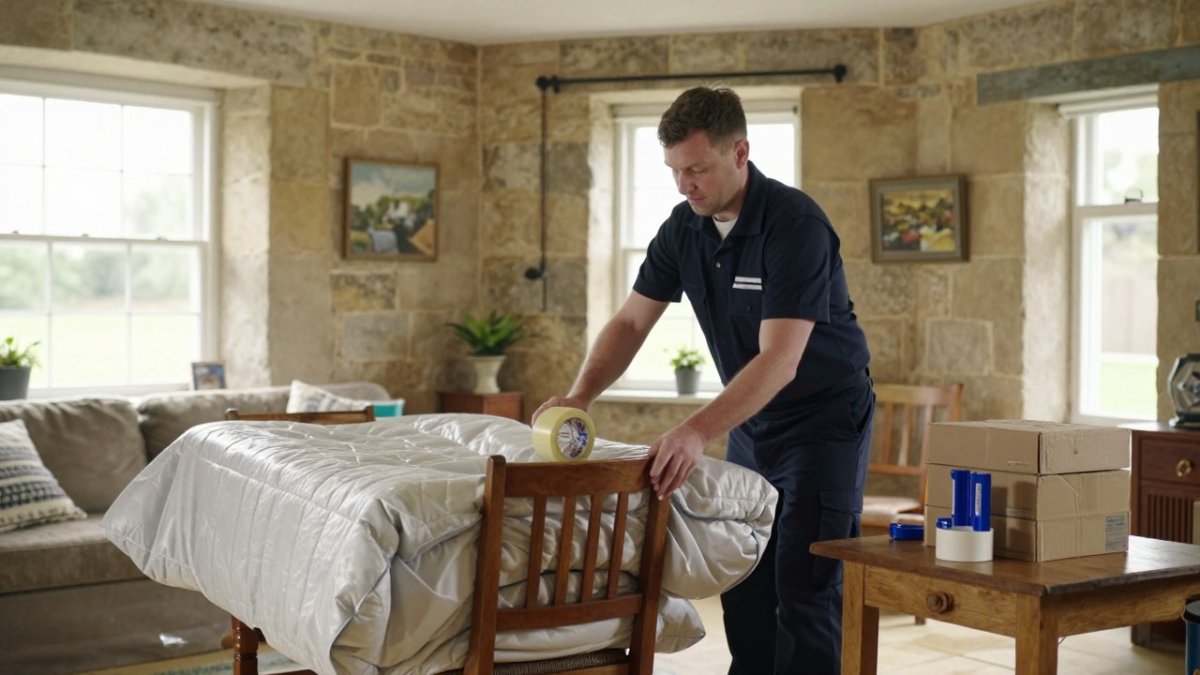
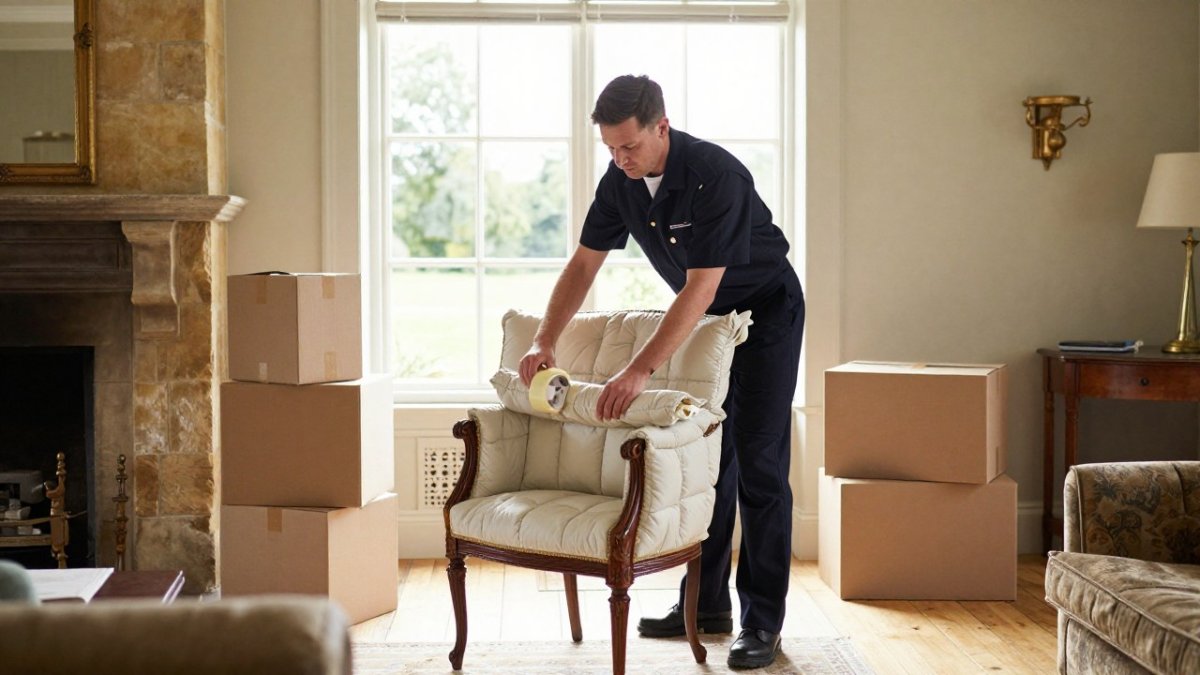
Take apart beds, wardrobes and tables before the removal team arrives. Put screws and fittings in a labelled bag and tape the bag to the piece it belongs to, a common mistake is to bag fittings separately and then lose them. Keep the assembly instructions with the bag where possible.
Wrap glass and china in packing paper, then place them upright in boxes.
The Digital and Sustainable Packing Angle
Most guides stop at bubble wrap, but two modern considerations are worth building into your packing plan. First, back up important documents and photographs to a cloud service before you pack the devices that hold them, and keep a digital inventory of serial numbers and receipts for insurance. Second, reduce plastic waste by choosing recycled packing materials where you can.
Watch out: Do not pack aerosols, paint tins, gas canisters or flammable liquids, as these need separate disposal at a local household waste recycling centre.
The table below sets out the box types and their best uses, so you can choose the right container before you start packing.
Box type | Best for | Key note |
Small double-walled | Books, CDs, tools, tins | Heavy items stay manageable |
Medium | Kitchenware, ornaments, small appliances | Most general household items |
Large | Bedding, towels, cushions, lightweight clothing | Keep weight low |
Wardrobe | Hanging clothes, coats, suits | Keeps clothes hung in transit |
What to Pack in Your Moving Day Essentials Box
The essentials box holds the things you need in the first 24 hours. Keep it with you in the car, not on the van, and pack it last so it stays easy to find when you arrive. A common pattern is to pack one box per adult, plus a shared family box for the kitchen and cleaning items.
The Core Contents
Kettle, mugs, tea, coffee, milk and a few snacks
Phone chargers, a torch and spare batteries
Toiletries, towels and a change of clothes for each person
Medication, first-aid kit and important documents (passports, deeds, insurance, prescriptions)
Bin bags, scissors, a screwdriver and a few basic tools
Toilet roll, hand soap and cleaning cloths
Pet food, bowls, lead and bedding if you have animals
What to Leave Out
It is just as important to know what not to put in the essentials box. Avoid heavy items, anything fragile, and anything you will not need in the first day. Do not pack the kettle in a box that goes on the van, and do not put documents in a box that might be delayed.
Watch out: If you are moving with children, pack a small separate bag for each child with a favourite toy, a change of clothes and a snack, it reduces the chance of a meltdown on arrival.
The Digital Essentials Box
A modern addition that most guides miss is a digital essentials folder. Before moving day, save PDFs of your tenancy or purchase documents, utility account numbers, council tax reference, insurance policy numbers and a scan of your driving licence and passport to a secure cloud folder. Keep the login details somewhere you can reach without unpacking. This means you can set up utilities, update your address and prove your identity even if the paperwork is still in a box.
Managing the Day Itself
Moving day is a high-stress event, and the essentials box is as much about calm as convenience. Plan a simple meal for the first evening, a takeaway or a pre-prepared cold meal, so you are not searching for pans. Keep water bottles filled and take short breaks.
Watch out: Do not rely on the removal team to know which box is the essentials box, label it clearly in a different colour and tell them at the start of the day.
Arranging Access, Parking and Utilities Before the Van Arrives
Check the access arrangements before moving day. Check whether a parking permit is needed for the van, and apply for one from your local council if required.

Contact your utility providers to arrange final meter readings and transfer your account. Tell your bank, insurer and other service providers about your change of address too.
Clear a safe path from the front door to the van. Remove rugs, garden furniture and anything else that could trip a mover.
Planning for Children, Pets and Your Own Wellbeing on the Day
Moving day is exhausting for the whole family. Arrange childcare or a trusted friend to look after children, so the adults can focus on the move.
Pets need their own plan. Keep them in a quiet room away from the removal team, and pack their food, bowls and bedding in the essentials box. Our dedicated checklist for moving house with pets covers each step to keep them safe.
Eat regular meals, drink plenty of water and take short breaks. Feeling calm on the day makes every decision easier.
Booking Your Removal Team and Confirming Your Moving Day Plan
Book your removal team early, especially for busy summer dates. At Premier Cotswolds Movers & Clearers, we offer a bespoke removals service for residential and commercial moves, and our removal and packing services cover everything from packing support to full clearances.
Before you choose a firm, read how to choose a removals company so you know which questions to ask. Get written quotes and check the small print, because a clear, itemised quote helps you avoid hidden costs later.
Confirm the moving day plan with your removal team a few days before the van is due. Agree on arrival times, access arrangements and who will be on site.
Frequently Asked Questions
How long before moving house should you start packing? Start packing non-essential items about six to eight weeks before moving day. Begin with rooms you use least, such as the loft or spare room, and leave the kitchen and bathroom until the final week.
What is the best way to label moving boxes? Write the room name and a box number on at least two sides of each box. Keep a matching inventory list so you can find items quickly after the move.
What should go in a moving day essentials box? Include a kettle, mugs, tea, toiletries, a change of clothes, medication, important documents, phone chargers and bin bags. Keep the box with you rather than on the removal van.
Frequently Asked Questions
How do I prepare my home for movers?
Clear floor paths, unlock every storage space such as lofts, sheds and garages, and mark the items you plan to keep, sell or take to a charity shop. Make sure parking and access routes are clear, including any narrow doorways or staircases the team will need to pass through. Remove personal valuables and important documents and keep them with you. Arrange your meter readings, and confirm the removal firm has your correct access details. Running through this list the week before means the crew can work without stopping to ask questions on the day.
Should I pack everything before the movers arrive?
Not everything. Pack the items you use least, such as books, seasonal clothing, ornaments and spare kitchenware, and leave daily essentials until the last day. You can ask your removal firm what they will pack and what they expect you to do yourself, so there are no surprises when the quote is finalised.
What should I leave out on moving day?
Keep your passports, bank cards, house deeds, medication, phone chargers, keys and a few days' worth of clothing with you rather than in the van. Dispose of flammable items such as aerosols, paints, cleaning fluids and gas cylinders in advance, as removal firms generally will not transport them. Keep any plants, cash and valuable jewellery in your own vehicle. Label the essentials box clearly so it is never loaded by mistake.
How long before moving day should I start packing?
Most people find it manageable to start packing around six to eight weeks before the move, beginning with rooms and items you rarely use. Settling into a new home takes time, so it helps to plan the whole process well in advance. Give yourself a final week for the kitchen, bathroom and essentials, so you are not packing in a rush on the final evening.
Comments