Moving a Piano Through Narrow Doorways

Table of Contents
Why Moving a Piano Through Narrow Doorways Requires Planning
Measuring a Piano for a Doorway Before You Start
Taking accurate measurements of your piano
Measuring doorways and hallways
Essential Piano Moving Equipment You'll Need
Turning a Piano Through a Narrow Doorway: The Process
Angling and rotating techniques
Managing tight corners and hallways
Moving a Grand Piano Through a Doorway: Special Considerations
Protecting Your Piano and Property During the Move
When to Call Professional Piano Movers
Frequently Asked Questions
Last Updated: October 14, 2026
Why Moving a Piano Through Narrow Doorways Requires Planning
A piano is one of the most challenging items to move through a confined space. At Premier Cotswolds Movers & Clearers, we've helped clients navigate the complexities of moving a piano through narrow doorways, and the answer is always the same: proper planning prevents disaster.
The real problem isn't the piano itself, it's underestimating what the space demands. Many people assume that if a piano fit through a doorway when it arrived, it will fit again on the way out. That's rarely true. Doorframes can be narrower than they appear.
This is where measurement, equipment, and technique converge. Get any one of these wrong, and you're looking at a stuck piano, damaged walls, or worse, a damaged instrument that costs thousands to repair.
Measuring a Piano for a Doorway Before You Start
You cannot move a piano safely without knowing its exact dimensions and comparing them to your doorways. This is the foundation of the entire process.
Taking accurate measurements of your piano
Start with the piano itself. Measure three key dimensions: width, depth, and height. Use a metal tape measure, not a cloth one. Record measurements in millimetres for precision.
For an upright piano:
Width: measure across the widest part of the case
Depth: measure from the back of the case to the front (where the keyboard sits)
Height: measure from the floor to the top of the lid
For a grand piano, the depth is critical, grand pianos extend significantly from the keyboard, and this is where most doorway problems occur.
Write these numbers down. Don't rely on memory or the piano's original documentation, which may not account for added feet or castors.
Measuring doorways and hallways
Now measure every doorway and hallway the piano must pass through. This includes:
The doorway you're moving the piano out of
Any hallway leading to an exit
The external doorway to your vehicle
Every doorway and hallway at the destination
For each doorway, measure:
Width (the clear opening between the frame edges)
Height (the clear opening from floor to top of frame)
The depth of the frame itself (how much space you have to angle the piano)
For hallways, measure the width and note where corners occur. Tight corners are where pianos get stuck.
A common mistake is measuring only the doorway width and ignoring height or hallway constraints. A piano that fits through a doorway widthwise might not fit through at an angle. Always measure everything.

Pro Tip When measuring doorways, include the frame thickness. A doorframe that appears to be 800mm wide might only have 780mm of usable clear space once the frame is accounted for. This small difference can mean the difference between a successful move and a stuck piano.
Essential Piano Moving Equipment You'll Need
Moving a piano through a narrow doorway requires specialised equipment. Standard furniture dollies won't work. Here's what you actually need:
Piano moving equipment essentials:
Piano skid or dolly (a low-profile platform designed specifically for pianos)
Furniture sliders or moving blankets (to reduce friction)
Protective padding (quilted blankets, corner guards, foam padding)
Straps or rope (to secure the piano during movement)
Doorway protection (cardboard, plywood, or protective film for walls and frames)
A piano board or angled moving platform (for tilting the piano safely)
A piano skid is non-negotiable. It distributes weight evenly and keeps the instrument stable. Standard dollies are too narrow and can tip a piano sideways, which damages the case and risks internal damage.
Protective padding serves two purposes: it protects the piano from scratches and dings, and it protects your doorframes and walls from being gouged. Pianos are heavy. Even a small contact with a corner can leave marks.
If you're moving a grand piano, you may need additional equipment like a piano board (a sturdy, angled platform that allows you to tilt the piano for transport). This isn't an afterthought, it's essential for grand pianos, which are wider and deeper than uprights.
Watch Out Do not attempt to move a piano without proper equipment. Using regular furniture dollies, inadequate padding, or improvised supports risks serious injury to anyone moving it and permanent damage to the piano.
Turning a Piano Through a Narrow Doorway: The Process
The actual technique for moving piano through narrow doorways depends on the piano's orientation and the space available. There are two main approaches: rotating the piano or angling it.
Angling and rotating techniques
For an upright piano moving through a standard doorway, the most common technique is the diagonal angle. Instead of moving the piano straight through the doorway, you rotate it so one corner enters first, then the body follows at an angle.
Here's how it works:
Position the piano on its skid, facing the doorway
Tilt the piano slightly backward (toward the back legs) so the front edge lifts slightly off the ground
Rotate the piano so it enters the doorway at approximately 45 degrees
Once the top corner clears the frame, continue rotating as the piano moves through
Straighten the piano once it's fully through the doorway
The key is smooth, controlled movement. Rush this, and the piano catches on the frame.
For a grand piano, the process is more complex because the depth is the limiting factor. You may need to:
Remove the piano's legs (if they're detachable) to reduce overall depth
Tilt the piano on its side (on a piano board) to reduce the profile
Move it through the doorway lengthwise rather than widthwise
This requires expertise. If your grand piano has a depth greater than your doorway width, professional movers are essential.
Managing tight corners and hallways
Corners are where most piano moves fail. A piano that fits through a doorway can still get stuck when turning a corner in a hallway.
When approaching a corner:
Measure the corner's turning radius (the space available to pivot)
Approach slowly and at an angle
Pivot the piano incrementally rather than in one sharp turn
Use furniture sliders on the floor to reduce friction and allow smoother pivoting
Have spotters on all sides to watch for contact with walls
If the corner is too tight, you may need to:
Tilt the piano on its edge (using a piano board) to reduce the footprint
Remove the piano's lid or other removable parts
Take a different route (if one exists)
A common mistake is trying to force a piano around a corner that's simply too tight. If measurements show the corner won't work, stop and reassess. Forcing it risks damage and injury.
Key Takeaway The difference between a successful narrow doorway move and a failed one usually comes down to preparation. Measure everything, use proper equipment, and move slowly. Speed is the enemy of a safe piano move.
Moving a Grand Piano Through a Doorway: Special Considerations
Grand pianos present unique challenges because of their size and weight. An average grand piano weighs 300-400kg and can be 1.5 metres or more in depth.
If your grand piano's depth exceeds your doorway width, standard rotation techniques won't work. You have three options:
Option 1: Remove the legs. Many grand pianos have detachable legs. Removing them reduces the overall profile and may allow the piano to fit through the doorway. Once through, the legs are reattached. This requires care, piano legs are precisely fitted and must be reinstalled correctly.
Option 2: Tilt the piano on a piano board. A piano board is a sturdy, angled platform designed to support a grand piano on its side.
Option 3: Use an external route. If the piano won't fit through interior doorways, consider moving it outside and through a window or external door.
For most grand pianos in narrow doorways, professional movers aren't optional, they're essential. The cost of professional help is far less than the cost of a damaged grand piano.
Protecting Your Piano and Property During the Move
Damage happens quickly when moving a piano. A single bump against a doorframe can leave a permanent mark on the case. Walls and doorframes are equally vulnerable.
Protect the piano:
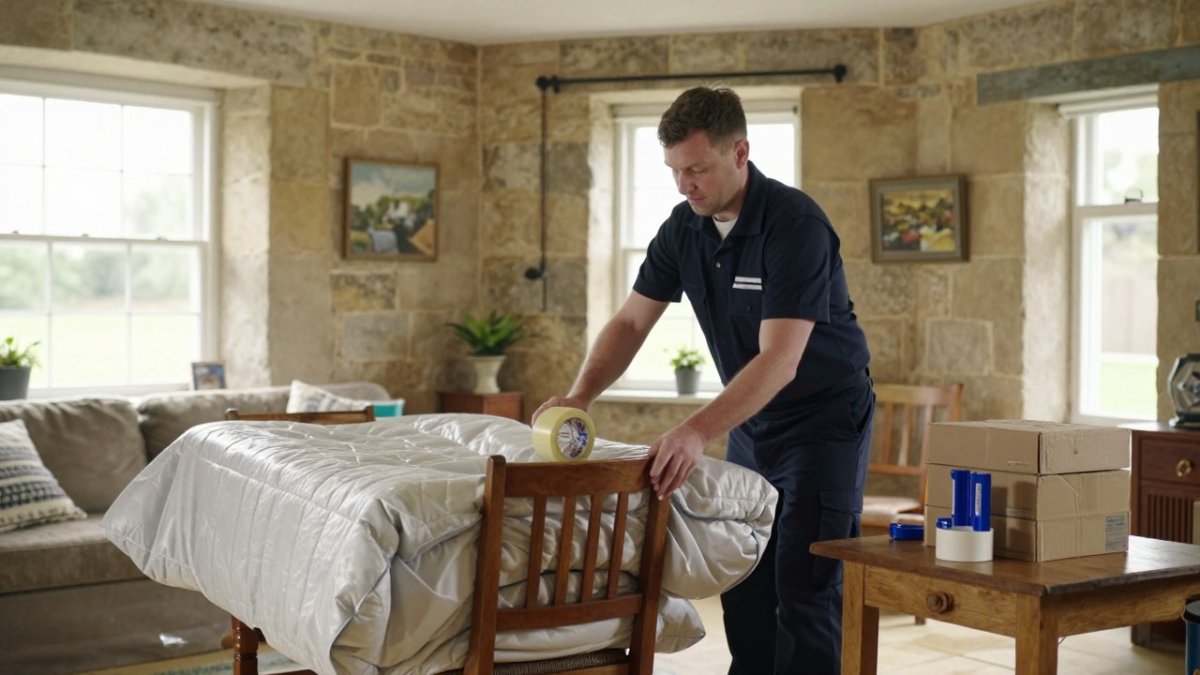
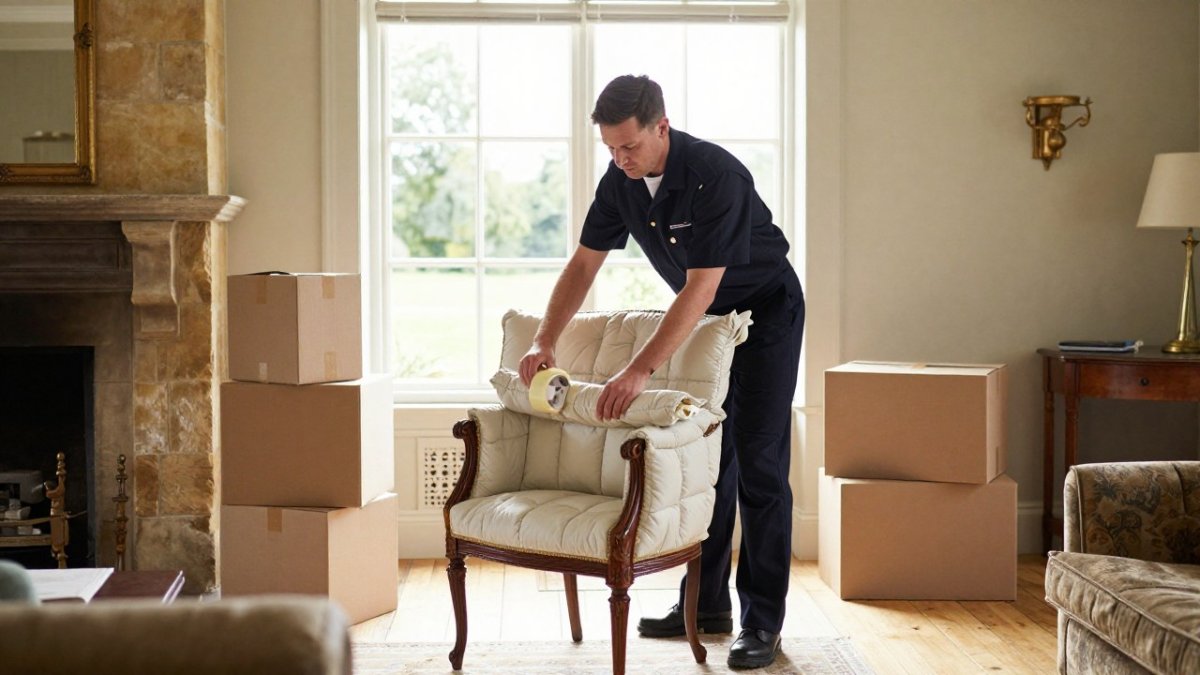
Wrap it in quilted moving blankets, securing them with tape
Add corner guards to protect the corners and edges
Use foam padding around the legs and any protruding parts
Never leave the piano unsecured on a dolly, use straps to keep it stable
Protect your property:
Cover doorframes with cardboard or protective film
Use plywood or hardboard on walls where the piano will pass
Cover floor areas with protective blankets to prevent scratches
Tape down any protective coverings so they don't shift during movement
Many people skip this step to save time. It's a false economy. Replacing a damaged doorframe or repainting walls can be costly. Repairing a piano's case can also be expensive. Spend an hour on protection and save yourself significant costs in repairs.
When to Call Professional Piano Movers
Some piano moves are beyond DIY capability. If any of these apply to your situation, professional help is worth the investment:
Your piano is a grand piano
Your doorways are narrower than 750mm
Your hallways have multiple tight corners
Your piano must be moved up or down stairs
Your piano is an antique or particularly valuable
You don't have at least three able-bodied people to help
You're uncertain about measurements or technique
Professional piano movers have the equipment, experience, and insurance to handle complex moves safely. They know how to handle unexpected obstacles and can often find solutions that DIY movers miss.
At Premier Cotswolds Movers & Clearers, we've moved pianos through some of the most challenging spaces in the region. Our team understands the constraints of older properties with narrow doorways and tight corners. We measure carefully, plan thoroughly, and execute with precision.
Best For Professional piano movers are essential if your piano is a grand piano, your doorways are narrower than 750mm, or you're moving through multiple tight corners. The cost of professional help is far less than the cost of a damaged piano.
Moving a piano through a narrow doorway is achievable with proper planning, accurate measurements, and the right equipment. But it's also one of the most unforgiving moves you can attempt. A single miscalculation or moment of impatience can result in thousands of pounds in damage.
Frequently Asked Questions
How do you measure a piano and doorway before moving?
Measure your piano's height, width, and depth at its widest points. Use a tape measure on doorframes from top to bottom and side to side, including the frame thickness. Measure hallway widths and any corners the piano must navigate. Compare these measurements carefully, your piano must fit through with at least 10 cm clearance on all sides to account for padding and angling. If measurements are tight, professional movers can assess whether rotation or removal of door frames is necessary.
Can you move a grand piano through a standard doorway?
Most grand pianos are too wide for standard doorways without removing the legs or the lid. A typical grand piano is 150-180 cm wide, whilst standard doorways are only 75-80 cm. Professional movers can disassemble the legs and lid temporarily, making the piano narrower and lighter. This requires expertise to avoid damaging the instrument, which is why professional piano movers are essential for grand pianos in homes with narrow doorways.
What equipment is needed to move a piano safely through a narrow doorway?
Essential equipment includes a piano dolly (a wheeled platform designed specifically for pianos), heavy-duty moving straps, furniture pads or blankets for protection, and a piano board or skid for angling. You'll also need corner guards to protect doorframes and walls. Depending on the piano type and doorway configuration, you may need a furniture slider or a crane for upper-floor moves. Professional movers have all specialised equipment and know how to use it safely.
How many people are needed to move an upright piano through a narrow doorway?
At minimum, four people are needed to safely move an upright piano, two to guide and support the piano and two to manage the dolly and equipment. For grand pianos or particularly tight spaces, five to six people is safer. Each person must understand their role: some control the dolly, others steady the piano, and at least one manages protection for walls and doorframes. Professional movers have the training and coordination to work efficiently as a team.
Get a Quote

Comments