Protecting Antique Furniture in Storage: A Practical Guide

Last Updated: 10 November 2026
Quick Summary
Protecting antique furniture in storage means recording each piece's condition, wrapping it in breathable materials rather than plastic, and keeping the unit's temperature and humidity stable. Pieces should stand upright on their bases, be kept off the floor and checked at regular intervals.
Photograph each piece from several angles and note existing damage before packing.
Avoid plastic wrapping directly on antique surfaces, as it traps moisture and can cause mould.
Stable conditions matter more than any wrapping; aim for temperature changes kept within a few degrees.
Use a digital hygrometer and record readings at the same time each week.
Keep pieces off the floor on pallets or blocks and leave a gap from the walls.
Moving antique furniture to storage?
Premier Cotswolds Movers & Clearers offers bespoke removals and packing help for delicate pieces.
Table of Contents
Why Antique Furniture Needs Special Care in Storage
Antique furniture is often the hardest thing to move well. Old timber, aged finishes and original hardware all react to changes in temperature, moisture and handling. This guide explains how to focus on protecting antique furniture in storage, keeping those pieces safe while they sit in a unit.
Antique furniture is any piece of furniture made many decades ago, usually with solid wood, hand-cut joints and finishes that cannot easily be replaced. Once damaged, a piece can lose much of its value and character.
Modern furniture is often made from engineered boards that tolerate change better. Older pieces are more sensitive. A common mistake is treating an heirloom wardrobe like a flat-pack unit and simply pushing it into a storage container.
Solid timber shrinks and swells as humidity changes
Old veneers can lift or crack when they dry out
Original glue joints may loosen under pressure or vibration
Metal fittings can corrode in damp air
Documenting Condition and Preparing Each Piece
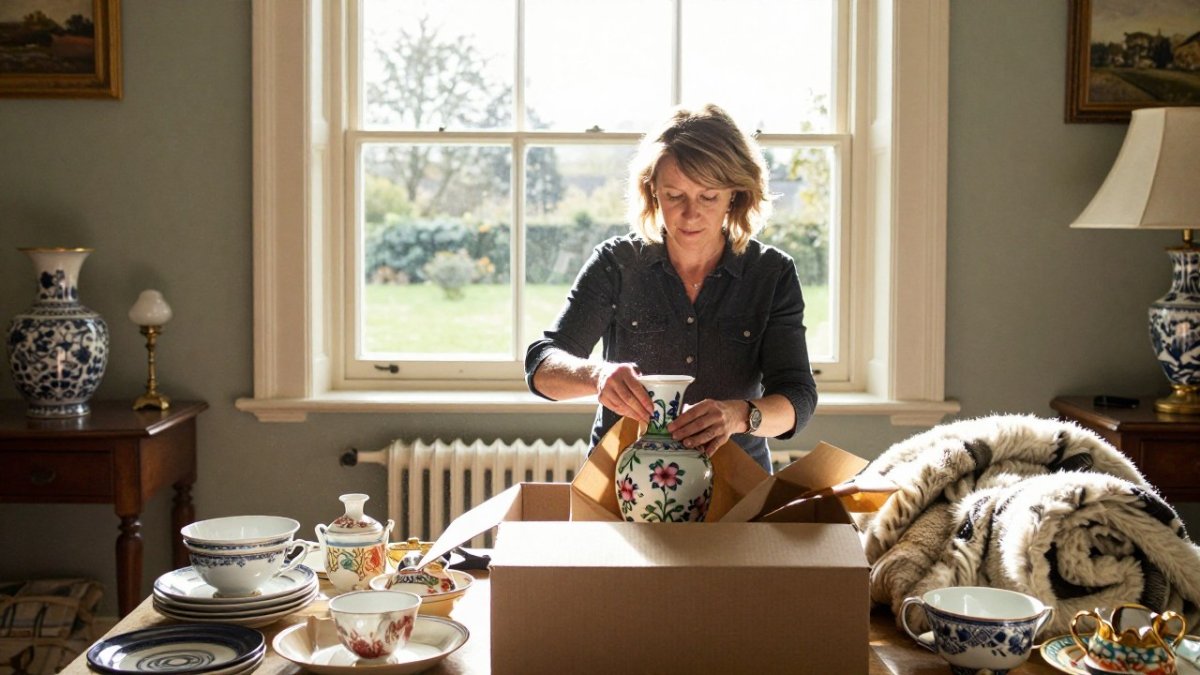
Before anything is wrapped, record what each piece looks like today. Take dated photographs from several angles. Note existing scratches, chips, loose joints and any woodworm holes.
Keep the notes with your paperwork, not in the storage unit itself. If you ever need to make an insurance claim, a clear record of the condition at the time of packing makes the process far simpler.
Next, clean each piece gently. Dust with a soft brush or microfibre cloth. Do not use wet cleaners or polish on old finishes just before storage, as trapped residue can attract dirt and mould.
Remove drawers, shelves and loose glass, and wrap them separately. Label every part with masking tape and a marker so reassembly is straightforward later.
Packing Antique Furniture for Storage
Packing is where most damage happens, usually from bumps and pressure rather than from the store itself. Plan the order of work before you start. Pack the largest, most fragile pieces first, then fill the gaps with smaller items. For each piece, follow this step-by-step handling guidance for antique furniture.

Stand upright pieces such as wardrobes and cabinets on their bases, never on their sides or backs. Support any overhanging cornices or carved details with padding so they do not carry the weight of the piece.
Place a sheet of cardboard or a clean blanket on the floor of the storage space before anything goes in. This protects feet and bases from damp concrete.
Keep heavy items low and near the walls. Leave a clear walkway so you can check on pieces without moving everything.
How to Wrap Furniture for Storage
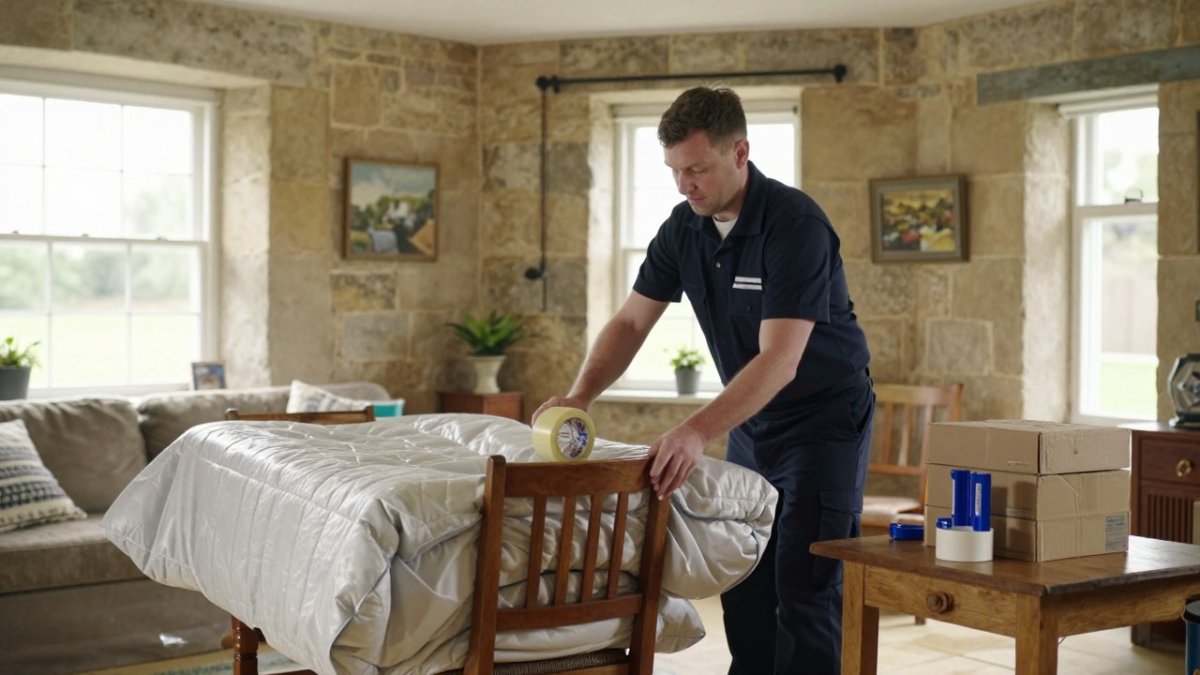
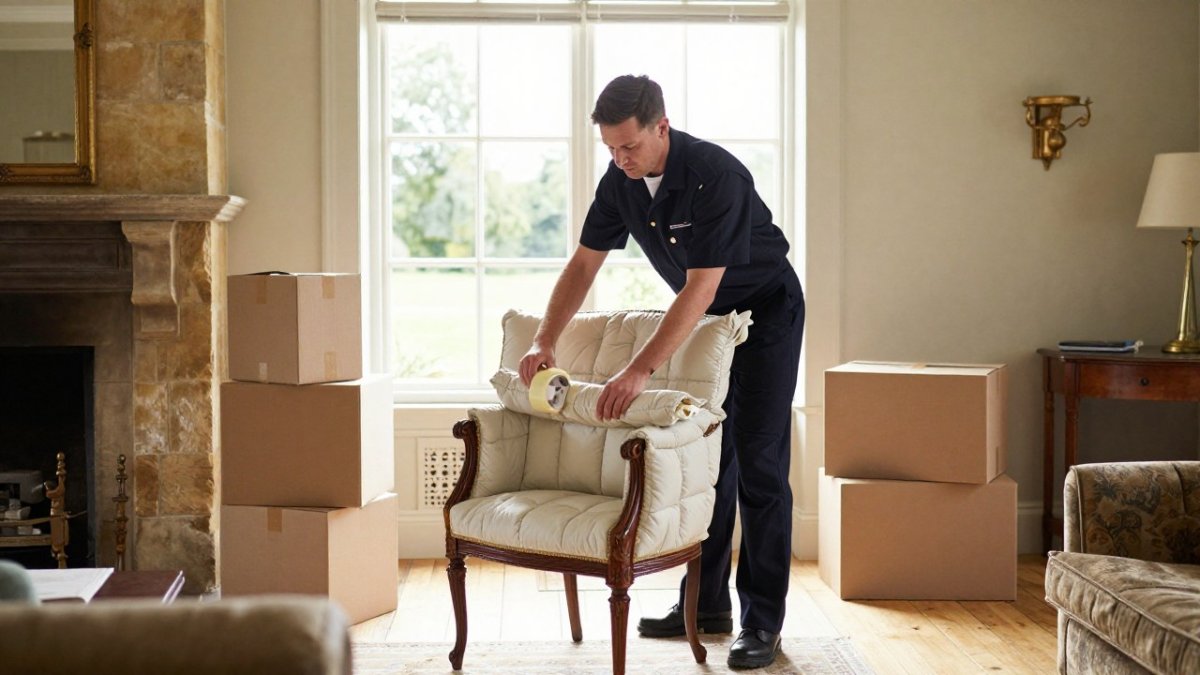
Wrapping protects surfaces from scratches, dust and knocks. The right materials matter more than the amount of wrapping. Follow these steps for each piece:
Lay a clean cotton dust sheet or breathable cover over the surface.
Add a layer of moving blankets or furniture pads over corners and edges.
Secure the padding with soft tape that will not touch the finish directly.
Wrap the whole piece in a breathable outer cover.
Label the outside with the contents and the room it came from.
Avoid plastic wrapping directly on antique surfaces. Plastic traps moisture, which can cause mould, lifted veneer and dulled finishes. If you want an extra barrier, use a breathable cover over the plastic-free layers instead.
Watch out: sealing a damp piece inside any wrapping is one of the fastest ways to ruin it. Make sure every piece is completely dry before it is covered.
Choosing the Best Temperature and Humidity for Furniture Storage
Stable conditions do more to protect antique furniture than any wrapping. Sudden swings in temperature and humidity make timber move, and that movement causes warping, cracking and loose joints. The goal is not a single perfect figure but a narrow band that changes slowly.
Stable conditions matter more than any single reading. Timber responds to the rate of change as much as to the absolute level, so a temperature that stays within a few degrees day to day and across seasons is the aim. Treat any humidity figures you use as working targets, not regulations.
Measuring and Monitoring
Use a digital hygrometer inside the storage space and record the reading at the same time each week. A cheap monitor is adequate, but check it against a second unit occasionally, as sensors drift. Keep a simple log of temperature and relative humidity so you can see a trend before damage appears.
Watch out: a single cold snap or a spell of damp weather can push a unit outside a stable range for days, and the timber may still move even if the average looks acceptable.
What Causes Fluctuations in a Storage Unit
Units against external walls or under a roof take on more heat and cold than internal units.
Concrete floors and unventilated corners hold damp.
Doors opened frequently in wet weather let moist air in.
Heaters or dehumidifiers switched on and off create swings rather than stability.
Ask the storage provider how the unit is ventilated, whether it is climate-controlled, and whether they monitor conditions themselves.
Responding to Readings Outside the Band
If relative humidity rises above the target, improve ventilation first and consider a dehumidifier set to run continuously rather than in bursts. If it falls low, avoid adding moisture directly; instead, reduce heat sources and check that the unit is not drying out through draughts. Move pieces off the floor onto pallets or blocks and leave a gap between furniture and walls so air can circulate. Record what you changed and when, so you can tell whether the intervention worked.
The article gives the following points on keeping storage conditions stable, drawn from its guidance on monitoring and responding to readings.
Item | Value | Note |
Monitoring frequency | Same time each week | Record temperature and humidity in a simple log |
Sensor check | Occasionally against a second unit | Sensors can drift over time |
Temperature aim | Within a few degrees day to day | Rate of change matters as much as the level |
Humidity figures | Working targets, not regulations | Use them as guidance only |
Humidity too high | Improve ventilation first | Then consider a dehumidifier running continuously |
Humidity too low | Avoid adding moisture directly | Reduce heat sources and check for draughts |
Floor clearance | Pallets or blocks | Leave a gap from walls for air circulation |
Storing Antique Furniture Long Term Without Damage
For long-term storage, check on your pieces at regular intervals. Every few months, look for signs of mould, pests, condensation or loosening joints. Open the covers briefly to let air circulate, then reseal them.
Keep pieces off the floor on pallets or blocks, and leave a small gap between furniture and walls. Good airflow is central to protecting antique furniture in storage from damp patches.
Watch for pests. Check for small holes, fine dust under pieces or insect activity, and act quickly if you find any. Dust-free, dry storage is the best defence.
Insurance matters too. Confirm that your cover applies while items are in storage, and keep your condition photographs with your policy documents.
Material-Specific Care: Veneers, Marquetry, Gilding and Upholstery
Different materials need different handling. Veneers and marquetry can lift if they dry out or get knocked, so keep them away from direct heat and never stack heavy items on them. For more advice on protecting period property and delicate fittings during a move, see our tips. Gilded frames flake easily, so wrap them in soft acid-free tissue rather than rough fabric.
Upholstered pieces attract dust and can grow mould if damp. Remove loose cushions, store them separately in breathable bags, and cover the fabric with a cotton sheet rather than plastic.
Metal hardware, such as brass handles and hinges, can tarnish. Wrap it in a small piece of acid-free tissue and keep it with the matching furniture.
Booking Your Storage Move With Premier Cotswolds Movers & Clearers
Moving antique pieces to storage is a job that suits experienced hands. Premier Cotswolds Movers & Clearers offers a bespoke removals service and packing assistance, so your pieces can be handled with care from door to store. If you are still deciding who to hire, read how to choose a removals company first. Our team can help you plan the order of work and the right protection for each item.
Ready to talk through your move? Get a quote from Premier Cotswolds Movers & Clearers and we will help you plan a careful, well-organised move.
Frequently Asked Questions
How do you protect antique furniture in storage?
Clean and document each piece first, then wrap it in breathable cotton dust covers or moving blankets rather than plastic. Pad corners and protruding carvings, lift pieces rather than dragging them, and keep them off the floor on pallets or blocks. Choose a dry, ventilated unit with stable conditions, and check on the furniture periodically. Avoid placing pieces against external walls where condensation can build up.
Should antique furniture be wrapped before storage?
Yes, but the wrapping matters as much as the decision to wrap. Use breathable materials such as cotton covers and moving blankets, which protect against dust, scratches and knocks while allowing moisture to escape. Plastic wrap traps humidity against the surface and can encourage mould, warping or finish damage. Wrap after the piece is fully dry and clean, and secure the covers without tightening them against delicate surfaces.
What temperature and humidity are best for storing antique furniture?
Aim for a stable environment rather than a single perfect number. Sudden swings cause more harm than a slightly off-target reading, so place a hygrometer inside the storage space and check it regularly. Ask the storage provider about their climate control before booking.
Should you dismantle antique furniture before storing it?
Dismantle only where it is safe and sensible, such as removing legs, mirrors, glass shelves or detachable tops. Label each part and its fixings clearly, and store hardware in a sealed bag taped to the relevant piece. Never force joints apart, as older glue and dowels are fragile. If a piece is structurally delicate, a conservator or experienced specialist mover should handle disassembly.
Comments